
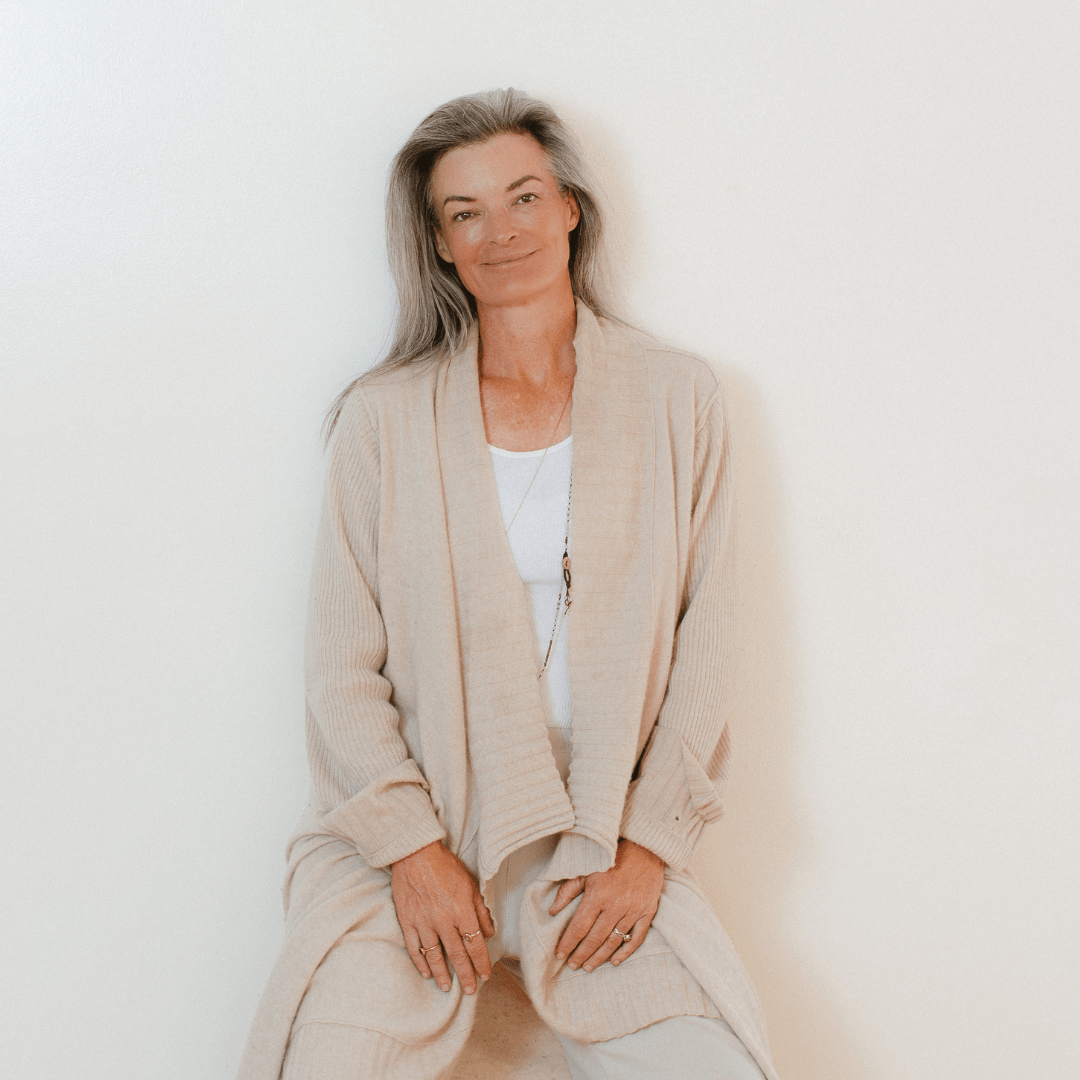
Tomorrow I'm seeing my doctor for my regular visit. My thyroid levels are finally optimal. It took a few years to get here.
Why is this important to me? Even a slightly low thyroid affects your sleep. I'd lie awake at 3am, exhausted but wired. Or sleep 9 hours and still feel tired.
My thyroid numbers were barely off. "Low-normal," my doctor said. Not low enough to treat right away, but low enough to cause some issues.
The Science Behind Thyroid, Perimenopause, and Sleep
Research shows over 10% of women in menopause have low thyroid function. What surprised me is how these two conditions make each other worse.
A 2024 study found that subclinical hypothyroidism (barely low thyroid like mine) can worsen the negative effects of low estrogen during perimenopause. The study showed this increases cardiovascular risk and metabolic issues.
Here's what happens: declining estrogen during perimenopause affects thyroid receptors. These receptors help thyroid hormones get into cells where they regulate metabolism. When estrogen drops, thyroid function can decline—even if your thyroid was fine before.
The sleep connection is real. Research confirms hypothyroidism disrupts your circadian rhythm. Your body loses its natural sense of when to be awake or asleep. Add perimenopause night sweats and hormonal fluctuations, and sleep becomes nearly impossible.
Both conditions share symptoms that overlap: fatigue, weight gain, mood swings, and sleep problems. This is why many women (like me) struggle for years before getting proper help.
Thyroid Problems and Sleep Problems
Your thyroid controls your metabolism and energy. When it's off, everything feels off.
Low thyroid (hypothyroidism) is common in women over 45. Studies show women are 5-10 times more likely than men to have thyroid problems, and risk increases with age. The symptoms include:
- Fatigue
- Weight gain
- Feeling cold
- Brain fog
- Poor sleep quality
Hypothyroidism affects your circadian rhythm. You're tired all day and then can't sleep at night. Or you sleep but don't feel rested.
Perimenopause adds more symptoms:
- Exhaustion
- Weight gain
- Mood swings
- Sleep problems
Research shows these conditions often happen together. Healthcare professionals note that millions of women with menopause symptoms may have undiagnosed hypothyroidism because the symptoms overlap so much.
My thyroid was "subclinical hypothyroidism"—barely low, but enough to affect my sleep and energy for years.
What Worked for Me...
Protein at Every Meal
After trying different things, the answer was simple:
Eat protein at every meal and snack.
Here's why it helps:
For Your Thyroid: Your thyroid needs specific amino acids from protein to make hormones. Research shows that low-protein diets or insufficient essential amino acids directly contribute to thyroid hormone abnormalities.
Here's how it works: Your thyroid produces mostly T4 (inactive thyroid hormone). Your liver converts T4 to T3 (the active form your body uses). This conversion requires amino acids like tyrosine, methionine, and glutathione. Without enough protein, this conversion gets sluggish.
Studies confirm that protein deficiency can suppress thyroid function and worsen hypothyroid symptoms.
For Your Sleep: Protein stabilizes blood sugar. When blood sugar crashes at night, cortisol spikes and wakes you up. Research shows this blood sugar-cortisol-sleep disruption is common in both hypothyroidism and perimenopause. Stable blood sugar throughout the day means better sleep at night.
For Your Energy: No more afternoon crashes. Steady energy all day.
For Your Weight: Protein keeps you full and helps maintain muscle.
My sleep improved within weeks. My thyroid numbers took months.
You May Need More Protein If You Have:
- Family history of thyroid issues
- High stress levels
- History of dieting
- Plant-based diet
- Digestive issues
- Inflammation
- Insulin resistance
If any of these apply, focus on protein.
Protein Throughout the Day
One protein-heavy dinner isn't enough. Your body needs it throughout the day.
When I started eating protein at every meal:
Sleep improved within 2-3 weeks.
Energy stabilized throughout the day.
Cravings stopped.
Body composition changed for the better.
How Much Protein
Women over 45 need 25-30 grams of protein per meal. About 80-110 grams daily.
That's more than most of us eat now. Your body needs more protein at 45 than at 30.
Why We Created XO Jacqui
I needed a protein powder without sugar. I asked my friend Alexis (who owns a gluten, dairy, nut-free bakery) to make one. She did. We made clean, organic, brown rice protein powder that doesn't cause bloating. Our friends wanted it. Then more women wanted it.
That's how XO Jacqui started.
What Changed
Tomorrow I'll see my doctor and those optimal thyroid levels.
It took a few years. My thyroid was barely low, but it affected everything—especially sleep.
The answer: protein at every meal and snack.
My sleep improved first. Then my energy. Then my thyroid numbers.
If you're tired and not sleeping well, try protein at every meal. Give it a few weeks.
That's why we made XO Jacqui. To make this easier.
Questions
How long before I see results? Sleep improves in 2-3 weeks. Thyroid numbers take months.
What if I'm on thyroid medication? Keep taking it. Protein helps it work better. Talk to your doctor.
Can I eat too much protein? Most women over 45 aren't eating enough.
What about plant-based protein? Works fine. Legumes, tofu, tempeh, and protein powder all count.
This is my personal experience. If you suspect thyroid issues, please see your doctor for testing. Thyroid conditions need medical care.